THE BOOK OF ACTS – Chapter 10,
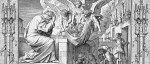
Cornelius’ Vision, Peter in Caesarea, Gentiles Hear The Good News.
Once again, I remind us that this is about the ‘Acts of the Apostles’. There are many suppositions and details we could discuss, about the area, the geography, the social and political environs, and the mindsets of these various individuals. If that is your interest, then find a commentary for those matters. But for this study, please read as if you are there, with Jesus and His Apostles. Immerse your mind in the experiences of this journey. Consider yourself actively participating in these events as they take place. Consider this your discipleship training to actually go, and make disciples, baptizing them in the name of the Father, The Son and the Holy Spirit, teaching them to follow all that Jesus has commanded, in the same way as Luke and the other disciples and Apostles of Jesus.
Cornelius’ Vision
Acts 10:1, Now there was a man in Caesarea named Cornelius, a centurion of what was called the Italian cohort, verse 2, a devout man and one who feared God with all his household, and made many charitable contributions to the Jewish people and prayed to God continually. Verse 3. About the ninth hour of the day, he clearly saw in a vision an angel of God who had just come in and said to him, “Cornelius!” Verse 4. And he looked at him intently and became terrified, and said, “What is it, lord?” And he said to him, “Your prayers and charitable gifts have ascended as a memorial offering before God. Verse 5. Now dispatch some men to Joppa and send for a man named Simon, who is also called Peter; verse 6, he is staying with a tanner named Simon, whose house is by the sea.” Verse 7. When the angel who spoke to him left, he summoned two of his servants and a devout soldier from his personal attendants, verse 8, and after he had explained everything to them, he sent them to Joppa.
Verse 9. On the next day, as they were on their way and approaching the city, Peter went up on the housetop about the sixth hour to pray. Verse 10. But he became hungry and wanted to eat; but while they were making preparations, he fell into a trance; verse 11, and he saw the sky opened up, and an object like a great sheet coming down, lowered by four corners to the ground, verse 12, and on it were all kinds of four-footed animals and crawling creatures of the earth and birds of the sky. Verse 13. A voice came to him, “Get up, Peter, kill and eat!” Verse 14. But Peter said, “By no means, Lord, for I have never eaten anything unholy and unclean.” Verse 15. Again a voice came to him a second time, “What God has cleansed, no longer consider unholy.” Verse 16. This happened three times, and immediately the object was taken up into the sky.
(Commentary Break): The end of the previous chapter we see God, exercising the miraculous power of raising a woman named Tabitha from the dead through Peter, the Apostle. Next, we drop in on a man named Cornelius, a centurion, who feared God and showed favor to the Jewish people, who is to be used by God to instruct Peter about his mission. The text is self-explanatory.
(You can Subscribe Here –>)
What I would like to focus on is the process and ask why we do not see this kind of spiritual and direct communication between God and His people nowadays?
THIS IS IMPORTANT
Is it because we are distracted by the cares of this world and our busy day-to-day lives? Matthew 13:22 warns of this, “And the one sown with seed among the thorns, this is the one who hears the word, and the anxiety of the world and the deceitfulness of wealth choke the word, and it becomes unfruitful”.
Peter, despite his many faults, seems to be totally and completely focused on the matters of God, and as a result he has the spiritual eyes to see and spiritual ears to hear (Proverbs 20:12).
God is always at work around us and if we desire to be involved in what He is doing, we need to set our minds on the things above and not just on earthly things (Colossians 3:2)
Peter saw with his eyes and heard with his ears, and still had to be told THREE TIMES before he got it and obeyed. How much are we like this? But like Peter, let’s persist until we hear, see and act. (End Commentary Break).
Verse 17. Now while Peter was greatly perplexed in mind as to what the vision which he had seen might mean, behold, the men who had been sent by Cornelius had asked directions to Simon’s house, and they appeared at the gate; verse 18, and calling out, they were asking whether Simon, who was also called Peter, was staying there. Verse 19. While Peter was reflecting on the vision, the Spirit said to him, “Behold, three men are looking for you. Verse 20. But get up, go downstairs and accompany them without misgivings, for I have sent them Myself.” Verse 21. Peter went down to the men and said, “Behold, I am the one you are looking for; what is the reason for which you have come?” Verse 22. They said, “Cornelius, a centurion, a righteous and God-fearing man well-spoken of by the entire nation of the Jews, was divinely directed by a holy angel to send for you to come to his house and hear a message from you.” Verse 23. So he invited them in and gave them lodging.
(Commentary Break): Peter’s vision and instructions were specifically confirmed through his obedience. Today, we can have the Word of God confirmed to us through the Bible, prayer, circumstances, and the church as God reveals Himself, His purposes, and His ways. (See Experiencing God, part 4).
Please, dear friends, let’s remember that calling ourselves Christians and Being a Christian are two very different things. Christians follow Jesus in thoughts, attitudes, speech and behavior. (End Commentary Break).
Peter in Caesarea
Now on the next day he got ready and went away with them, and some of the brothers from Joppa accompanied him. Verse 24. On the following day he entered Caesarea. Now Cornelius was expecting them and had called together his relatives and close friends. Verse 25. When Peter entered, Cornelius met him, and fell at his feet and worshiped him. Verse 26. But Peter helped him up, saying, “Stand up; I, too, am just a man.” Verse 27. As he talked with him, he entered and found many people assembled. Verse 28. And he said to them, “You yourselves know that it is forbidden for a Jewish man to associate with or visit a foreigner; and yet God has shown me that I am not to call any person unholy or unclean. Verse 29. That is why I came without even raising any objection when I was sent for. So I ask, for what reason did you send for me?”
Verse 30. Cornelius said, “Four days ago to this hour, I was praying in my house during the ninth hour; and behold, a man stood before me in shining clothing, verse 31, and he said, ‘Cornelius, your prayer has been heard, and your charitable gifts have been remembered before God. Verse 32. Therefore, send some men to Joppa and invite Simon, who is also called Peter, to come to you; he is staying at the house of Simon the tanner, by the sea.’ Verse 33. So I sent men to you immediately, and you have been kind enough to come. Now, then, we are all here present before God to hear everything that you have been commanded by the Lord.”
Gentiles Hear Good News
Verse 34. Opening his mouth, Peter said:
“I most certainly understand now that God is not one to show partiality, verse 35, but in every nation the one who fears Him and does what is right is acceptable to Him. Verse 36. The word which He sent to the sons of Israel, preaching peace through Jesus Christ (He is Lord of all)— verse 37, you yourselves know the thing that happened throughout Judea, starting from Galilee, after the baptism which John proclaimed. Verse 38. You know of Jesus of Nazareth, how God anointed Him with the Holy Spirit and with power, and how He went about doing good and healing all who were oppressed by the devil, for God was with Him. Verse 39. We are witnesses of all the things that He did, both in the country of the Jews and in Jerusalem. They also put Him to death by hanging Him on a cross. Verse 40. God raised Him up on the third day and granted that He be revealed, verse 41, not to all the people, but to witnesses who had been chosen beforehand by God, that is, to us who ate and drank with Him after He arose from the dead. Verse 42. And He ordered us to preach to the people, and to testify solemnly that this is the One who has been appointed by God as Judge of the living and the dead. Verse 43. All the prophets testify of Him, that through His name everyone who believes in Him receives forgiveness of sins.”
(Commentary Break): “Everyone who believes in Him receives forgiveness of sins”.
The Greek verb “pisteuó” primarily means to believe or to have faith. It conveys a sense of trust and reliance upon someone or something. In the New Testament, it is often used to describe the act of believing in Jesus Christ for salvation, trusting in God’s promises, and having faith in the truth of the Gospel. This belief is not merely intellectual assent but involves a deep, personal trust and commitment.
Cultural and Historical Background: In the Greco-Roman world, belief was often associated with trust in the gods or in philosophical truths. However, the New Testament writers redefined “pisteuó” within the context of a personal relationship with God through Jesus Christ. This belief was not just about accepting doctrines but involved a transformative trust that led to a new way of living. The early Christian community emphasized faith as central to salvation, contrasting it with the works-based righteousness prevalent in Jewish and pagan practices of the time.
This Forgiveness of sins is not a casual thing. In the New Testament, “aphesis” (forgiveness) primarily refers to the act of forgiving or the state of being forgiven. It conveys the idea of releasing someone from a debt or obligation, often used in the context of sin. The term emphasizes the liberation and pardon granted by God to sinners through Jesus Christ.
Cultural and Historical Background: In the Greco-Roman world, the concept of “aphesis” was understood in legal and financial contexts, often referring to the cancellation of debts or the release of prisoners. In Jewish tradition, the idea of forgiveness was deeply rooted in the sacrificial system and the Day of Atonement, where sins were symbolically transferred and removed. The New Testament writers, particularly in the context of Jesus’ ministry, expanded this concept to signify spiritual liberation and reconciliation with God. (End Commentary Break).
Verse 44. While Peter was still speaking these words, the Holy Spirit fell upon all those who were listening to the message. Verse 45. All the Jewish believers who came with Peter were amazed, because the gift of the Holy Spirit had also been poured out on the Gentiles. Verse 46. For they were hearing them speaking with tongues and exalting God. Then Peter responded, verse 47, “Surely no one can refuse the water for these to be baptized, who have received the Holy Spirit just as we did, can he?” Verse 48. And he ordered them to be baptized in the name of Jesus Christ. Then they asked him to stay on for a few days.
(Commentary Break): I would be remiss if I avoided what takes place in verses 44 through 48. I will admit that I can find nothing in the Bible that establishes speaking with tongues as a doctrine of the Church. In fact, there are only five mentions and only 10 remarks on Speaking in Tongues in the entire Bible (The Apostle Paul):
- Mark 16:17 – “These signs will accompany those who have believed: in My name they will cast out demons, they will speak with new tongues;
- Acts 2:4 – And they were all filled with the Holy Spirit and began to speak with different tongues, as the Spirit was giving them the ability to speak out.
- Acts 2:11 – Cretans and Arabs—we hear them speaking in our own tongues of the mighty deeds of God.”
- Acts 10:46 – For they were hearing them speaking with tongues and exalting God. Then Peter responded,
- Acts 19:6 – And when Paul had laid hands upon them, the Holy Spirit came on them and they began speaking with tongues and prophesying.
One Teaching and Examples about Tongues as a Spiritual Gift
- 1 Corinthians 12:10 – and to another the effecting of miracles, and to another prophecy, and to another the distinguishing of spirits, to another various kinds of tongues, and to another the interpretation of tongues.
- 1 Corinthians 12:28 – And God has appointed in the church, first apostles, second prophets, third teachers, then miracles, then gifts of healings, helps, administrations, and various kinds of tongues.
- 1 Corinthians 12:30 – All do not have gifts of healings, do they? All do not speak with tongues, do they? All do not interpret, do they?
- 1 Corinthians 13:1 – If I speak with the tongues of mankind and of angels, but do not have love, I have become a noisy gong or a clanging cymbal.
- 1 Corinthians 13:8 – Love never fails; but if there are gifts of prophecy, they will be done away with; if there are tongues, they will cease; if there is knowledge, it will be done away with.
- 1 Corinthians 14:5 – Now I wish that you all spoke in tongues, but rather that you would prophesy; and greater is the one who prophesies than the one who speaks in tongues, unless he interprets, so that the church may receive edification.
- 1 Corinthians 14:6 – But now, brothers and sisters, if I come to you speaking in tongues, how will I benefit you unless I speak to you either by way of revelation, or of knowledge, or of prophecy, or of teaching?
And the Apostle Paul completes his teaching with both strong admonitions and encouragements. But speaking in tongues has become one of the most divisive practices in the church because of abuse. Let’s heed the words of Paul and do all things in a decent and orderly manner, not to bring attention to ourselves or our abilities, but only in ways that glorify God. (End Commentary Break).
(End Chapter 10).
We are being set free, liberated and pardoned. And not just pardoned, but your record of past misdeeds and sins, with God, is expunged. You are made a new person with a new identity. You only need to live it out as the freed person you will have become.
Your Brother and Friend,
Mike Young.
PREVIOUS: THE BOOK OF ACTS – Chapter 9, The Conversion of Saul, Paul Preaches Christ, Peter’s Ministry.
NEXT: THE BOOK OF ACTS – Chapter 11, Peter’s Report in Jerusalem, The Church in Antioch.
(Please bookmark this page or subscribe for future episodes).
Discover more from Whitestone Fellowship
Subscribe to get the latest posts sent to your email.

