
“Let me tell you a STORY about a man named Jed…”,
as the song goes. This is the lead-in song for an old television series, “The Beverly Hillbillies”. This was a popular comedy show about a poor, backwoods family from Silver Dollar City in the Ozark Mountains of Missouri, who moved to posh Beverly Hills, California, after striking oil on their land. There may have been some humorous similarities to life and some chuckles to be had, but it offered little more than a brief respite from the monotonous grind of life. But, so what? It is just a STORY – about a man named Jed, and his crazy and funny family.
Storytelling as an ancient art form and a valuable form of human expression. Because story is essential to so many art forms, however, the word “storytelling” is often used in many ways.
Storytelling involves a two-way interaction between a storyteller and one or more listeners. The responses of the listeners influence the telling of the story. In fact, storytelling emerges from the interaction and cooperative, coordinated efforts of teller and audience.
In particular, storytelling does not create an imaginary barrier between the speaker and the listeners. This is part of what distinguishes storytelling from the forms of theater that use an imaginary “fourth wall” – an invisible, imaginary wall separates actors from the audience. While the audience can see through this “wall”, the convention assumes the actors act as if they cannot.
The interactive nature of storytelling partially accounts for its immediacy and impact. At its best, storytelling can directly and tightly connect the teller and audience.
In storytelling, the listener imagines the story. In most traditional theater or in a typical dramatic film, on the other hand, the listener enjoys the illusion that the listener is actually witnessing the character or events described in the story.
The storytelling listener’s role is to actively create the vivid, multisensory images, actions, characters, and events—the reality—of the story in his or her mind, based on the performance by the teller and on the listener’s own experiences, beliefs, and understandings. The completed story happens in the mind of the listener, a unique and personalized individual. The listener becomes, therefore, a co-creator of the story as experienced.
Storytelling happens in many situations, from kitchen-table conversation to religious ritual, from telling in the course of other work to performances for thousands of paying listeners. Some storytelling situations demand informality; others are highly formal. Some demand certain themes, attitudes, and artistic approaches. As noted above, the expectations about listener interaction and the nature of the story itself vary widely.
That’s one thing. Here is quite another: “All [Bible] Scripture is God-breathed and is useful for teaching, rebuking, correcting and training in righteousness, so that the servant of God may be thoroughly equipped for every good work.”
 The Bible is great literature and the all-time number-one bestseller. It contains history, entertaining STORIES, poetry, philosophy, and personal letters. But, more than all of that, the Bible is God’s Word.
If we have to speak of a single purpose of the Bible, it would be to reveal God to us. There are many things that we could never know about God unless He told them to us. The Bible is God’s self-revelation to humanity. The Bible also tells us who we are. It tells us of our sin and of God’s plan of salvation in Jesus Christ.
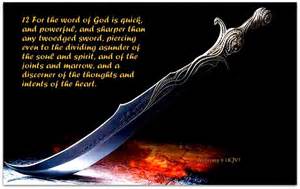
Second Timothy 3:15–17 may be one of the most comprehensive purpose statements found in the Bible. The apostle Paul writes to his young assistant Timothy, “From infancy you have known the Holy Scriptures, which are able to make you wise for salvation through faith in Christ Jesus. All Scripture is God-breathed and is useful for teaching, rebuking, correcting and training in righteousness, so that the servant of God may be thoroughly equipped for every good work.” Some of the Bible is spoken directly by God Himself, and other parts are spoken by men whom He guided—but all of it is His Word, and all of it is beneficial and authoritative. Scripture shows us the way of salvation. Furthermore, it will teach us, rebuke us when we are wrong, and train us how to do right so that we may be ready to do God’s work.”
With this said, I cringe when I hear a Bible teacher or preacher refer to a section of scriptures or to a sermon as a STORY, because it is so much more.
BE YE DOERS OF THE WORD
“Be Ye Doers Of The Word” sounds so “King James” and old-fashioned, so let me repeat, “Be Doers of the Word and not Hearers Only”. I regret that so many Christians find little more than fascination and adrenalin producing inspiration from scriptures (especially when presented by a gifted speaker), and the oracles of God are reduced to great sermons and STORIES to be listened to.
The Bible, when read, heard and absorbed by a Christian, is transformative and reformative. It changes you, from the inside out. It changes your core beliefs, and how you think, how you feel about things, how you respond and how you behave.
I recently heard a sermon by one of my favorite Bible teachers and pastors. I say ‘favorite’ because he has a deep grasp and understanding of the Bible. He kindly lovingly, yet correctly, teaches and applies the Word of God without compromise or apology. HOWEVER, this man has an unfortunate habit of referring to his sermons and events within scriptures as “STORIES”. For example, before he begins, he will usually say something like, “Let’s pause there and pray before we begin. ‘Father, thank you for this time in your Word and for this STORY that can help us understand how we are to relate to and witness to people who are in the public square and the marketplace. Lord, equip us through this STORY to be better about reaching the lost with the good news of Jesus with the same experience of a personal relationship we have with Him; teach us through this STORY now, we ask in Jesus Name ‘.”
STORIES and storytelling can be “a valuable form of human expression”. Storytelling involves a two-way interaction between a storyteller and one or more listeners.
In storytelling, the listener imagines the story. In most traditional theater or in a typical dramatic film, on the other hand, the listener enjoys the illusion.
STORYTELLING can be a useful way to communicate scriptural references and events to an audience by actively creating vivid, multisensory images, actions, characters, and events—the reality—of the story in his or her mind, based on the performance by the teller and on the listener’s own experiences, beliefs, and understandings. The completed story happens in the mind of the listener, a unique and personalized individual. The listener becomes, therefore, a co-creator of the story as experienced.
But if scriptures are reduced to fascinating or interesting inspirational stories that are disconnected from a person’s day-to-day reality, they have little lasting value beyond fond memories and fantasies.

The Bible, that is The Word of God, is a love letter from God to all people, but only those who have been reborn in their spirit can understand and gain wisdom.
The Bible, that is The Word of God, is a revelation of God, His creation, His plan and purpose.
The Bible, that is The Word of God, is creative, causative, prophetic and instructional.
The Bible, that is The Word of God, contains history, entertaining STORIES, poetry, philosophy, and personal letters. But, more than all of that, the Bible is The Breathed-Out, Word of God.
So, the next time you see or hear the Word of God, whether in written form, in a sermon, in a presentation or in conversation, remember -It’s no story. It’s the Word of God!
Read it. Meditate on it. Know it. Do it – and the world will never be the same again.
Your Brother and Friend,
Mike Young
PS: Full disclosure. I try, but I struggle with doing all these things. And, if any good does come out of me, it is the sole work of God in me and through me – done in spite of me.

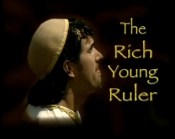 The ‘rich young ruler’, who had achieved much in this natural world was in chains. His story is one of the saddest passages in scriptures. He missed one of the greatest opportunities in history as he “turned away sorrowful because he had great possessions”. This is really the story of mankind in general. We reject the salvation that Jesus offers – our chance of finding God – because we “have great possessions”; not in the least because we are rich in the terms of money, for indeed most people are not, but because we have great possessions in terms of preconceived ideas, confidence in our own judgement, and with ideas with which we happen to be familiar; spiritual pride, born of academic distinction; sentimental or material attachment to institutions or organizations; habits of life which we have no desire to renounce; concern for human respect or admiration, or perhaps fear of ridicule; and these possessions keep us chained to the rock of human suffering which is your exile from the power, presence and provisions of God.
 The OLD CROSS and THE NEW